
How Solar Energy Installation Benefits Commercial Industries
Dramatically Lower Operating Costs
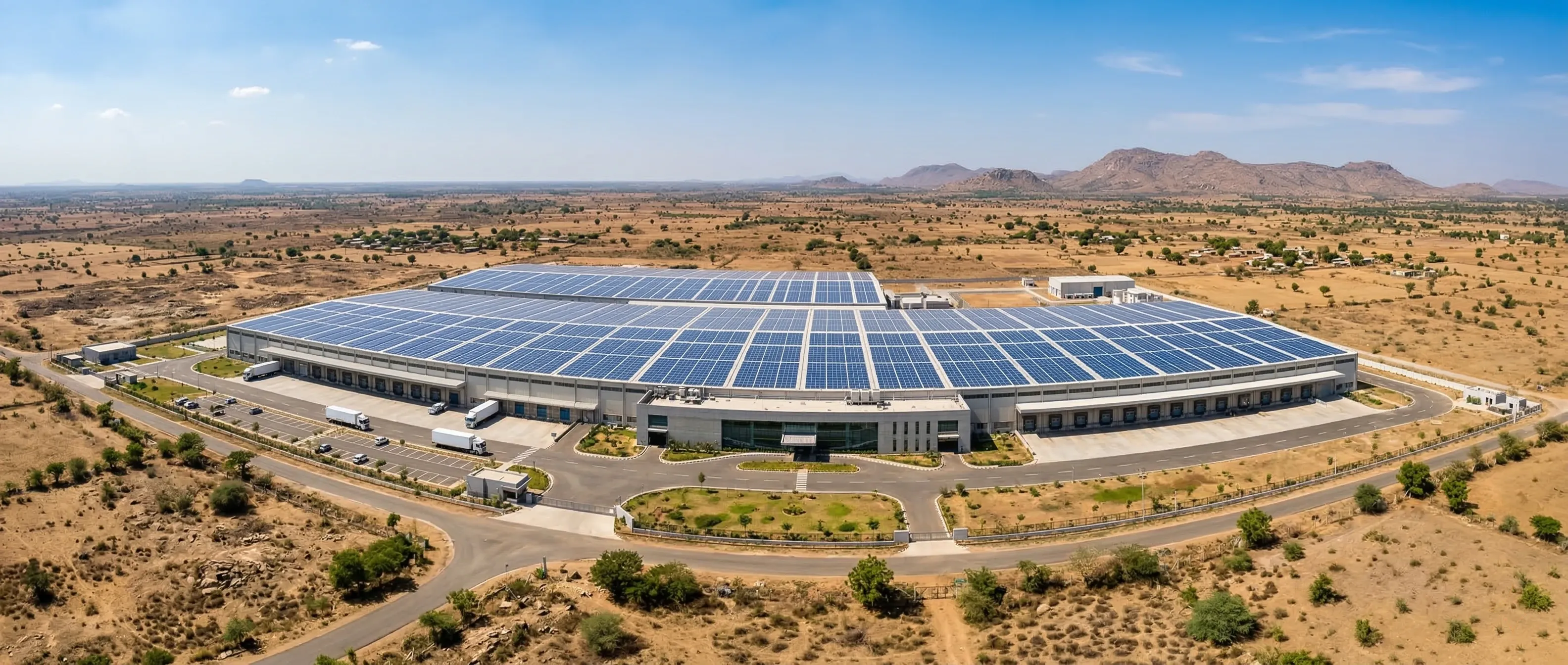
Commercial and industrial facilities are among the largest consumers of grid electricity. Rising tariffs and demand charges make energy one of the most significant and least predictable line items on the balance sheet. Solar energy installation flips that script: once the system is commissioned, a large portion of your daytime load is met by the sun. Businesses across Tamil Nadu and Andhra Pradesh report reductions of 40% or more in their electricity costs, with payback periods often between 4 and 7 years depending on consumption, tariff, and incentives.
The financial benefit is not just in lower bills. Fixed or predictable energy costs improve budgeting and make long-term planning easier. For energy-intensive industries, solar can act as a hedge against future tariff hikes and regulatory changes.
A Generous Web of Financial Incentives
The Indian government and many state governments offer a range of incentives to accelerate commercial solar adoption. These include capital subsidies, accelerated depreciation, and tax benefits. Net metering or gross metering arrangements allow you to feed surplus solar power back into the grid, often earning credits or revenue.
Working with an experienced EPC provider ensures your project is designed and documented to maximise eligibility for these schemes. They handle the paperwork, compliance, and grid-approval process so you can focus on your business while the system is built and commissioned.
ESG Leadership That Customers Notice
Sustainability is no longer a niche concern. Customers, investors, and partners increasingly expect businesses to demonstrate environmental responsibility. A visible commitment to solar energy sends a strong message: your company is serious about reducing its carbon footprint and investing in clean energy.
For B2B companies, this can be a differentiator in tenders and long-term contracts. For consumer-facing brands, it strengthens brand value and aligns with the values of a growing segment of environmentally conscious customers.
Energy Independence & Grid Resilience
Grid outages and voltage fluctuations can disrupt production, damage equipment, and lead to lost revenue. Solar, especially when combined with storage or hybrid setups, can provide a degree of energy independence. Even without batteries, a grid-tied solar plant reduces your reliance on the grid during peak sunshine hours, softening the impact of daytime outages.
For critical operations, hybrid or backup solutions ensure that essential loads keep running when the grid fails. This resilience is increasingly valued in manufacturing, data centres, healthcare, and logistics.
Which Sectors Are Leading the Transition?
Manufacturing and industrial facilities with large rooftops or open land are natural adopters. Textiles, automotive, pharmaceuticals, and FMCG have been among the early movers in India. Commercial buildings—offices, malls, hospitals, and educational institutions—are also turning to solar to cut operational costs and meet sustainability goals.
Agriculture and cold chains are increasingly using solar for irrigation and refrigeration, often in off-grid or hybrid configurations. The common thread is the desire for lower, predictable costs and a smaller environmental footprint.
Making the Transition: What to Expect
A typical commercial solar journey starts with a site and energy assessment. Your EPC partner will evaluate roof or ground space, structural suitability, shadow analysis, and your consumption pattern. They will then propose a system size, technology, and financial model tailored to your site and goals.
From there, the process moves through design, approvals, procurement, installation, and commissioning. Timelines vary with project size and complexity, but a well-managed project can move from contract to commissioning within a few months. Post-commissioning, operation and maintenance (O&M) agreements ensure the system performs at its best for 25 years or more.
Every day without solar is a day of untapped savings. A commercial solar assessment is the logical first step toward understanding the opportunity sitting on your roof or land.
Every day without solar is a day of untapped savings. A commercial solar assessment is the logical first step toward understanding the opportunity sitting on your roof.
Back to all articles
Get a free consultation and custom quote from India's trusted solar EPC experts.